Apricot and Peach Jam: A Font Duo for Creative Warmth
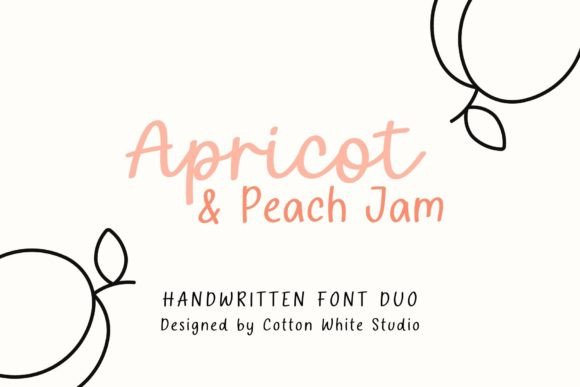
Finding the perfect typography that balances authenticity with professionalism can transform a good design into a memorable one. The Apricot and Peach Jam font duo offers a unique handwritten aesthetic that injects warmth, personality, and a human touch into creative projects, making it an invaluable asset for designers seeking genuine visual connection.
Understanding the Apricot and Peach Jam Aesthetic
This handwritten font duo is perfect for creative projects that require a handwritten look. Its charm lies in its organic, flowing character forms that mimic natural handwriting while maintaining excellent legibility. The pairing typically includes a regular script font and a complementary companion—perhaps a bold or italic variation—that works harmoniously to create visual interest and hierarchy in design compositions.
In modern graphic design, typography serves as a critical element of visual communication. Fonts like Apricot and Peach Jam contribute to brand identity by conveying specific emotions and values. The warm, approachable nature of handwritten typefaces can soften corporate messaging, add authenticity to artisanal branding, and create an immediate emotional resonance with audiences.
Practical Applications Across Design Disciplines
The versatility of this font duo makes it suitable for numerous creative applications. Its handwritten quality brings personality to projects across various mediums:
- Branding and Logo Design: Creates distinctive wordmarks for boutique businesses, cafes, bakeries, or lifestyle brands seeking a personal touch.
- Marketing Materials: Enhances brochures, flyers, and advertisements with an approachable, human feel that increases relatability.
- Social Media Content: Adds visual interest to Instagram posts, Pinterest graphics, and digital stories, improving engagement through authentic typography.
- Packaging Design: Ideal for product labels, tags, and packaging where artisanal quality and craftsmanship need to be communicated visually.
- Digital Products: Perfect for e-book covers, online course materials, and digital downloads where a personal, curated aesthetic is valuable.
Integrating Handwritten Fonts Effectively
When incorporating fonts like Apricot and Peach Jam into your design workflow, several considerations ensure professional results. First, assess readability across different sizes and contexts. While handwritten fonts excel at display sizes, ensure body text remains legible by pairing with a clean sans-serif or serif font for longer passages.
Consider your existing brand system and color palette. The warmth of peach and apricot tones naturally complements earthy palettes, soft pastels, or neutral backgrounds. Maintain visual hierarchy by using the handwritten font for headlines, quotes, or accent text rather than entire paragraphs. This approach preserves readability while maximizing the font's stylistic impact.
For web design and UI applications, test the font across devices and screen resolutions. Handwritten typefaces can sometimes render differently on digital platforms, so ensure your design maintains its intended aesthetic across various viewing environments. The right typography solution should enhance user experience without compromising functionality.
Enhancing Creative Projects with Thoughtful Typography
The true value of a font like Apricot and Peach Jam extends beyond mere aesthetics. In packaging design, it communicates authenticity and care. In editorial layouts, it adds personality to pull quotes and section headers. For merchandise and apparel, it creates distinctive, recognizable designs that stand out in crowded markets.
When evaluating creative assets, consider how they contribute to your overall design goals. Quality typography should improve visual communication, strengthen brand consistency, and resonate with your target audience. The handwritten style of this font duo particularly excels in projects targeting demographics that value authenticity, craftsmanship, and personal connection.
Thoughtful design choices—from typography selection to color palette coordination—ultimately determine how effectively your visual communication achieves its objectives. Investing in quality creative assets like well-crafted font families enables designers to produce polished, professional work that communicates clearly while maintaining distinctive character and emotional appeal.