Discover the Impact of Vintage Capital in Modern Design
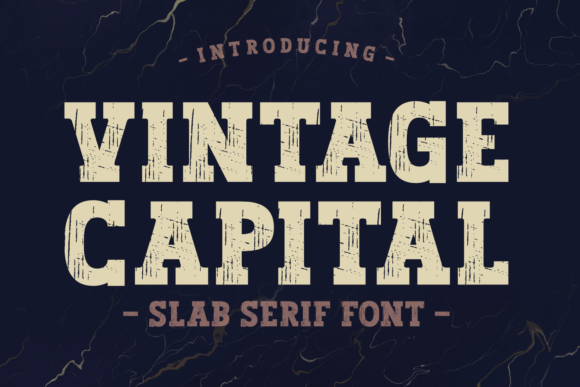
The right typeface does more than just display words; it conveys personality, era, and intent before a single sentence is read. For designers seeking a powerful, textured voice, Vintage Capital stands out as a bold, rough-textured and thick-lettered slab serif font. Its commanding presence is engineered to elevate a wide range of crafting ideas, from cards and branding to labels and much more. Adding it confidently to your favorite creations allows you to harness a unique visual impact, letting the outcome speak for itself with undeniable character and strength.
Understanding the Role of Strong Typography in Visual Communication
In graphic design, typography is a cornerstone of visual hierarchy and brand identity. A font like Vintage Capital, with its substantial weight and gritty texture, immediately draws the eye and establishes a tone of durability, authenticity, or vintage appeal. This makes it an invaluable asset for projects that require instant recognition and emotional resonance. Its design principles align with creating effective visual communication where every element must work together to tell a cohesive story, whether in digital marketing or print design.
Practical Applications for Maximum Creative Impact
The versatility of a robust slab serif allows it to adapt across numerous creative projects. Its inherent readability at scale makes it suitable for both headlines and shorter blocks of text where impact is paramount. Consider its application in the following areas to strengthen your design workflow:
- Branding and Logo Design: Use it to craft logos that feel established and trustworthy. Its texture adds a layer of tactile quality, perfect for brands that want to convey heritage or artisanal craftsmanship.
- Packaging Design: On product labels and boxes, it ensures shelf appeal and communicates product quality at a glance, especially for goods with a rustic, organic, or premium positioning.
- Marketing Materials and Advertising: Create posters, banners, and social media graphics that stop the scroll. Its bold nature ensures your message cuts through visual noise in crowded digital spaces.
- Editorial Layouts and Web Design: Employ it for chapter titles, pull quotes, or key UI elements like buttons to create engaging focal points that guide the user experience.
Tips for Effective Implementation and Design Consistency
Integrating a distinctive font like this into a project requires thoughtful consideration to maintain professionalism and clarity. Always evaluate its compatibility with your existing brand system, including your chosen color palette and supporting typefaces. To ensure a polished result, consider these factors:
- Visual Hierarchy and Readability: Use its bold weight primarily for headlines, subheadings, or call-to-action elements. Pair it with a cleaner, more neutral sans-serif or serif for body text to ensure overall legibility and a balanced visual flow.
- Scalability and Medium: Test the font at various sizes to see how its texture performs. It typically shines in larger applications where its details are clearly visible, making it ideal for print design and large-scale digital displays.
- Audience and Context: Align the font's vintage, bold character with your audience's expectations. It excels in contexts where a strong, confident, and slightly nostalgic voice is appropriate, enhancing the overall user engagement.
Thoughtful design choices are what separate good projects from great ones. Selecting creative assets that carry inherent strength and personality, like a well-crafted slab serif, can profoundly improve both the aesthetic appeal and communicative power of your work. By leveraging such tools with intention, you ensure your designs not only look professional but also resonate deeply, creating memorable experiences that achieve your visual and strategic goals.