Retro Campus: Injecting Dynamic Personality into Modern Design
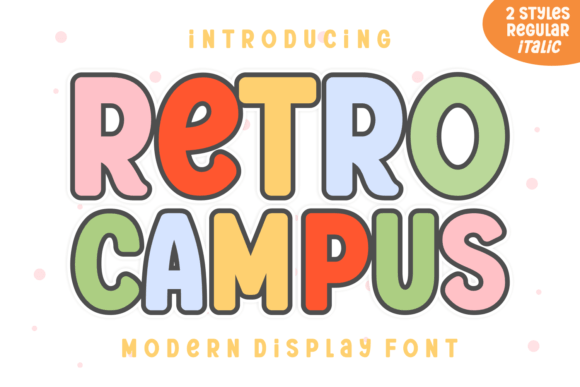
Imagine a typeface that doesn't just sit on the page but leaps off it, radiating pure, unadulterated energy. That's the immediate impact of Retro Campus, a striking display font imbued with a vivacious spirit that can transform any creative project. Its frolicsome, stylized curves carry an inherent boldness, offering an infectiously joyful finishing touch perfect for designs that demand attention and linger in the memory.
In the crowded landscape of modern graphic design, where grabbing and holding a viewer's attention is paramount, typography is a foundational tool for visual communication. Retro Campus serves as a powerful asset in this arena, moving beyond simple legibility to become a central component of your brand's voice. Its animated charm is ideal for creating strong visual hierarchy, ensuring your headlines and key messages don't just get seen, but are felt. This font isn't a background player; it's a protagonist designed to infuse your work with dynamic personality.
Practical Applications for Maximum Impact
The true value of a creative asset lies in its versatility and application. Retro Campus excels in scenarios where a project needs to break through the noise with confidence and flair. Consider its role across these common design contexts:
- Branding & Logo Design: Establish a brand identity that feels energetic, youthful, and approachable. A logo set in Retro Campus can instantly communicate a sense of fun and innovation, making it memorable from the first glance.
- Marketing & Advertising: From attention-grabbing posters and digital banners to vibrant social media graphics, this font ensures your campaign materials stand out in a fast-scrolling feed. Its bold presence boosts engagement and recall.
- Editorial & Web Design: Use it for hero text on a website, chapter titles in a magazine, or feature headlines in an app. It creates a compelling focal point that guides the user's eye and enhances the overall user experience (UX).
- Packaging & Merchandise: On product packaging or branded merchandise, Retro Campus adds a tactile, joyful quality. It can make a product feel more playful and desirable, directly influencing consumer perception and shelf appeal.
Integrating a Vivacious Font into Your Design Workflow
Introducing a characterful font like Retro Campus requires thoughtful integration to maintain professionalism and coherence. The goal is to harness its energy without overwhelming the design system. Here are key considerations for effective use:
- Establish Clear Hierarchy: Pair Retro Campus with a clean, neutral sans-serif or serif font for body text. This contrast creates a polished visual hierarchy, allowing the display font to command attention for headlines while ensuring supporting content remains highly readable.
- Consider Your Audience and Goals: Align the font's exuberant personality with your project's objectives and target audience. It is perfectly suited for brands in entertainment, lifestyle, sports, education, or any sector aiming to project innovation and energy.
- Leverage Its Two Styles: The Regular and Italics styles offer distinct expressions. Use the Regular for solid, confident statements, and employ the Italics to add a sense of motion, emphasis, or a more casual, conversational tone within your typography.
- Test for Scalability and Context: Always test display fonts at various sizes and in the context of your full color palette and imagery. Ensure its stylized curves maintain clarity and impact whether used in a large-scale print design or a compact digital UI element.
Ultimately, the strength of any creative project rests on intentional design choices. Selecting a font is about more than aesthetics; it's about choosing a voice that aligns with your message and resonates with your audience. Quality creative assets like Retro Campus provide the means to elevate your work, ensuring that every element, from typography to color, contributes to a cohesive, professional, and visually compelling narrative that achieves your communication goals.