School Plaid: A Playful Typography Asset for Creative Projects
Imagine injecting a burst of joyful, nostalgic energy directly into your visual hierarchy. In the realm of graphic design, typography is more than just legibility; it is a vehicle for emotion. Back to School Plaid represents a specific niche in design assets where typeface meets texture, offering a distinct aesthetic that bridges the gap between playful branding and structured visual communication. For designers exploring modern aesthetics that require a handmade touch, understanding how to leverage such specialized creative assets is key to elevating a project from standard to standout.
Visual Impact and Design Aesthetics
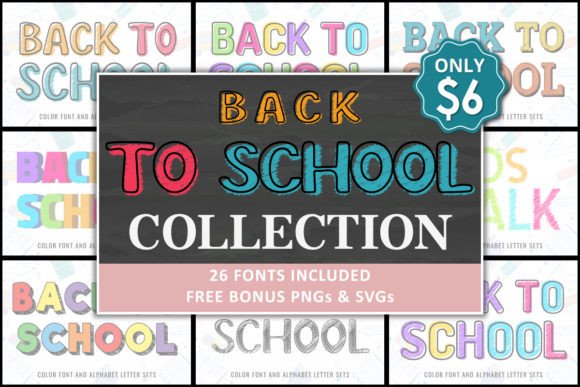
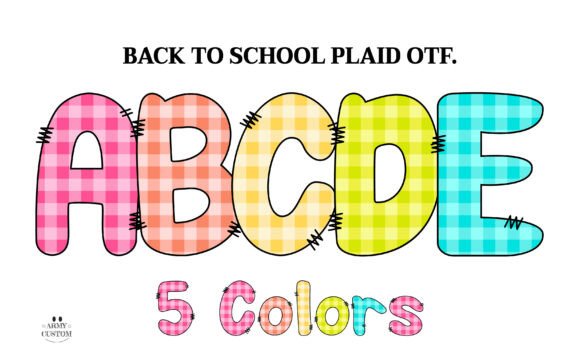
The core appeal of the School Plaid typeface lies in its intricate detailing. Unlike standard vector fonts, this color font utilizes five distinct color variations—pink, orange, yellow, green, and blue—filled with a classic gingham-style pattern. The hand-stitched outlining adds a tactile, whimsical quality that is difficult to replicate with standard flat design. In terms of visual hierarchy, this typeface commands attention. It functions as a focal point in layout design, making it an excellent choice for headlines, hero text, and call-to-action elements where engagement is the primary goal.
From a branding perspective, utilizing a textured font like School Plaid can significantly strengthen brand identity for specific sectors. It communicates approachability, creativity, and a sense of fun. However, effective design requires restraint. Because the font is visually dense, it works best when paired with clean, sans-serif typography for body text to maintain readability and balance. This contrast ensures that the design remains professional while still embracing a playful aesthetic.
Practical Applications Across Industries
The versatility of this font extends across various mediums, particularly within industries targeting younger audiences or those requiring a festive atmosphere. It is a valuable addition to a designer’s toolkit for projects ranging from digital marketing to print production.
Consider integrating Back to School Plaid into the following creative projects:
- Editorial Design and Publishing: Ideal for chapter titles in children’s books or playful headers in lifestyle magazines.
- Event Invitations: Perfect for back-to-school events, birthday parties, or community flyers that require a warm, inviting tone.
- Packaging Design: Adds a handmade, artisanal feel to product labels, stickers, and stationery branding.
- Digital Marketing: Enhances social media graphics and email headers, increasing click-through rates through vibrant visual stimulation.
- Merchandise: Creates eye-catching designs for t-shirts, tote bags, and school supplies.
Technical Considerations and Workflow Integration
While the aesthetic value is high, a professional design workflow demands attention to technical compatibility. School Plaid is a color OpenType (OTF) font, a format that embeds color information directly into the typeface file. This technology allows for multi-colored letters without the need for layering or clipping masks.
However, designers must note the specific software requirements. This asset is optimized for advanced graphic design software, specifically Adobe Photoshop CC 2017+ and Illustrator CC 2018+. It is not compatible with standard office software or cutting machines like Cricut. For projects requiring broad compatibility or vinyl cutting, the inclusion of bonus PNG files provides a flexible workaround, allowing the text to be treated as high-resolution imagery rather than editable type.
Tips for Effective Implementation
To maximize the impact of this typography solution, consider the following design principles:
- Maintain Contrast: Use a simple background to allow the plaid patterns to stand out without overwhelming the viewer.
- Scalability: Test the font at various sizes. While color fonts look stunning at large scales, intricate patterns may lose clarity at very small sizes; use the provided PNGs for thumbnails if necessary.
- Color Harmony: Even though the font has built-in colors, ensure the surrounding design palette complements the pink, orange, yellow, green, or blue variations to create a cohesive visual identity.
Ultimately, the decision to incorporate specialized creative assets like School Plaid