The Playful Charm of London Child Font in Modern Design
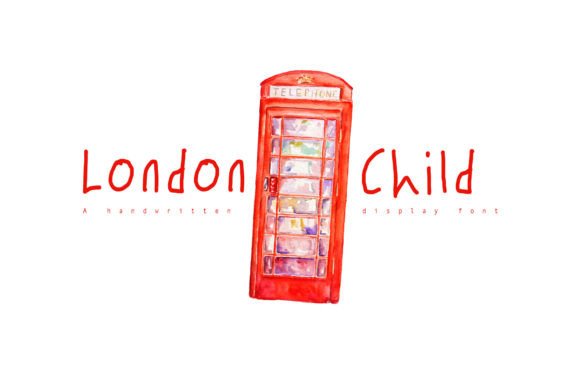
Every designer knows the power of a typeface that tells a story. London Child is a charming handwriting font that captures the innocent and playful style of a child's writing, offering a unique tool for projects that need to convey warmth, nostalgia, and authenticity. In a digital landscape saturated with sleek, modern fonts, this typeface stands out by embracing the delightful imperfections of early penmanship, making it a valuable creative asset for evoking genuine emotion.
Understanding the Visual Impact of Childlike Typography
The creation of London Child was inspired by the curiosity and creativity of children when they first learn to write. This font preserves the unique charm found in their handwriting, which holds a special place in our collective memory. Each letter and character is crafted with a childlike touch, showcasing imperfect lines, wavy curves, and a spontaneous flow. This isn't just a font; it's a piece of visual communication that taps into a universal human experience, making it incredibly effective for specific branding and design goals.
From a graphic design perspective, using a typeface like London Child is a strategic choice. It immediately sets a tone and guides the viewer's emotional response. Its hand-drawn quality adds a layer of human touch and relatability that sterile, geometric fonts often lack. This can be crucial for strengthening brand identity, particularly for businesses or products targeting families, education, or any service that wants to project approachability and heart.
Practical Applications for Creative Projects
The versatility of London Child allows it to enhance a wide array of creative projects. Its playful nature makes it ideal for designs that aim to evoke joy and innocence. Consider these applications to leverage its full potential:
- Branding and Logo Design: Perfect for children's boutiques, educational apps, pediatric services, or family-oriented cafes. It helps build a friendly and trustworthy brand identity from the first glance.
- Marketing Materials: Use it in flyers, brochures, and posters for school events, summer camps, or toy advertisements to capture attention and resonate with both children and parents.
- Social Media Content: Create engaging Instagram posts, Facebook ads, or Pinterest graphics that stand out in a feed. Its authentic style can boost engagement and shares for relevant campaigns.
- Packaging Design: Ideal for children's snacks, toys, books, or craft supplies. The font adds a tactile, homemade feel to the packaging that enhances the unboxing experience.
- Editorial and Web Design: Can be used for headings or accent text in blogs about parenting, early childhood education, or creative tutorials, adding personality to the layout.
Integrating London Child into Your Design Workflow
While London Child is a powerful creative asset, effective integration requires thoughtful consideration. Always evaluate typography within the context of your entire visual design system. Here are key factors to consider for a polished and professional result:
First, prioritize readability and scalability. While charming, a script font is best used for headlines, logos, or short phrases rather than body text. Ensure it remains legible at the intended size, whether on a large banner or a small mobile screen. Test it across different devices and mediums as part of your design workflow.
Second, consider visual hierarchy and compatibility. Pair London Child with a clean, simple sans-serif or serif font for body copy to maintain balance and readability. This contrast creates a dynamic and professional presentation. Think about your color palette; soft pastels or bright primary colors often complement the playful aesthetic, but it can also work with neutral tones for a more sophisticated, nostalgic feel.
Finally, align the font with your audience and design goals. Does it match the message you want to convey? For a modern aesthetic, use it sparingly as an accent. For a fully whimsical theme, it can take center stage. The key is intentionality—every design choice should support the overall communication goal.
Thoughtful typography is a cornerstone of effective visual design. By selecting quality creative assets like London Child and applying them with strategic consideration for context, audience, and design principles, you can significantly enhance both the aesthetics and emotional resonance of your work. It’s these careful choices that transform a good design into a memorable and impactful one.